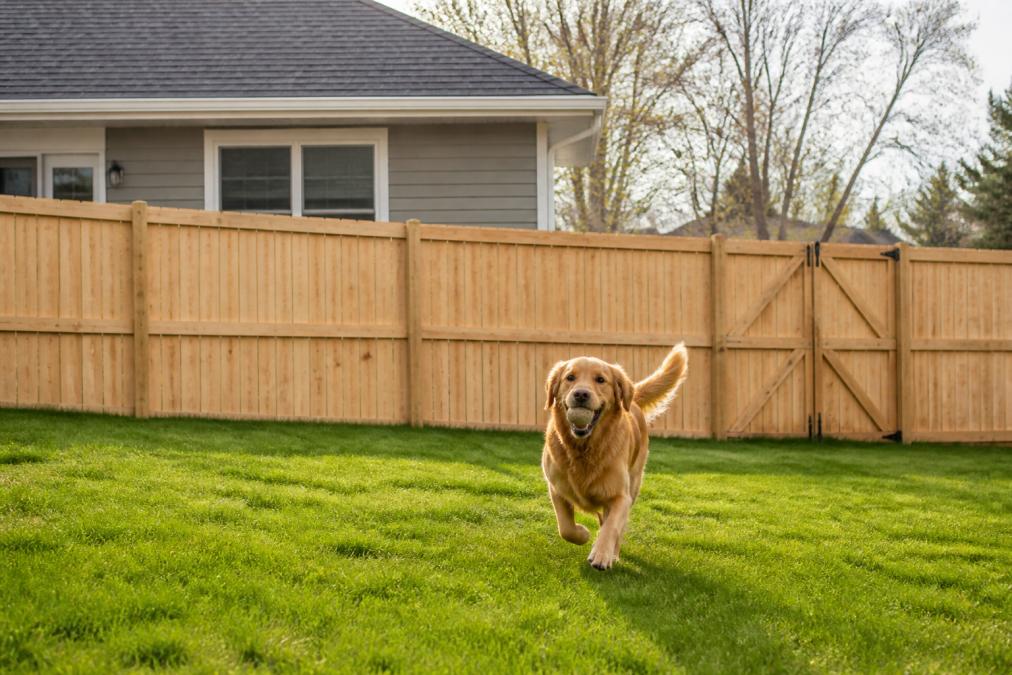
Is a Fenced Yard Worth It for Pet Friendly Rentals?
Is a fenced yard worth it for pet friendly rentals? Weigh the ROI for landlords and the travel benefits for pet owners before you book.

Table of Contents
- Why Pet Owners Search for Fenced Yards in Vacation Rentals
- The Landlord's Verdict: Does a Fenced Yard Pay for Itself?
- Pet Friendly Vacation Rental Amenities That Matter Most
- Fence Height, Materials, and Barrier Integrity
- Traveling with Dogs in Vacation Homes: Safety and Peace of Mind
- What to Look for in a Secure Fenced Yard Before You Book
- Tenant-Landlord Agreements: Who Handles Yard Maintenance?
- Conclusion: Weighing the Cost Against the Benefits
- Frequently Asked Questions
Last Updated: September 8, 2026
When a guest filters for a pet friendly vacation rental, the first amenity they look for is rarely the hot tub or the game room. It is the fence. For owners traveling with dogs, a secure, enclosed yard is the difference between a relaxing trip and a week of tethered walks and constant anxiety. At Homestay Getaway, the question we hear most is whether a fenced yard actually pays off. The short answer is yes, but the value depends on the investment, materials, and tenant agreements.
A fenced yard is a defined outdoor enclosure that gives pets freedom to roam safely without leashes or constant supervision. Below, we break down the cost-benefit math for landlords, the amenities that matter, and the safety standards that separate a useful fence from a liability risk.
Why Pet Owners Search for Fenced Yards in Vacation Rentals
Pet owners search for fenced yards because traveling with dogs is stressful when every bathroom break requires a leash and a scan for local leash laws. A secure enclosure removes that friction, giving the dog freedom to burn energy and the owner an off-duty feeling impossible in an unfamiliar place.

The demand is not subtle. Listings advertising a fenced enclosure receive significantly more inquiries from pet owners than identical properties without one. For the traveling pet owner, the fenced yard is not a luxury upgrade; it is the core requirement that determines whether a property is even considered.
The Landlord's Verdict: Does a Fenced Yard Pay for Itself?
A fenced yard pays for itself when it reduces vacancy and attracts tenants willing to pay a premium, but it is not a guaranteed profit center. The economics depend on your local market, the fence quality, and your holding period. To move beyond anecdote, you need a framework for calculating ROI specific to your property.
Building a Cost-Benefit Model for Your Property
Build a simple five-year cost-benefit model. Start with the total installed cost. For a standard quarter-acre lot, a professionally installed chain-link fence (4-foot height) runs between $1,800 and $4,500 (homeadvisor.com). A wood privacy fence costs between $3,000 and $7,000, while vinyl or composite can push the initial investment to $6,000 or more.
Next, estimate annual maintenance. Chain link requires minimal upkeep, mostly rust spot treatment and occasional tensioning. Wood needs staining or sealing every two to three years, adding $200 to $500 per treatment (thisoldhouse.com). Vinyl is nearly maintenance-free but can crack in extreme cold, requiring panel replacement at $50 to $150 per section.
On the revenue side, research your local market for the rental premium. In many mid-sized metros, landlords add $50 to $150 per month for a secure yard, or $600 to $1,800 over a 12-month lease. The fence also shortens vacancy. A property empty for an extra two weeks per year loses roughly 4 percent of annual gross rent, $900 on $1,800 monthly rent. A fenced yard can be the difference between a 15-day vacancy and a 5-day one.
The Tenant Quality Multiplier
The financial case strengthens with tenant quality. Pet owners with fenced-yard requirements are often more stable tenants; moving with a dog is disruptive and expensive, so they are less likely to break a lease. Lower turnover reduces costs: placement fees, painting, cleaning, and repairs between tenants can total $1,000 to $2,500 per turnover. Retaining a tenant for an additional year avoids that expense entirely.
When the Math Does Not Work
There are scenarios where the fence is not worth it. If your market has a surplus of pet-friendly rentals with fenced yards, the premium will be compressed. If most guests do not bring pets, the fence may not influence booking rates enough. And in climates with harsh winters, the maintenance burden can erode the return. In these cases, a less expensive alternative, such as a tie-out station or portable exercise pen, may be more rational.
A Framework for Your Decision
Run the numbers for your specific property: installed cost, annual maintenance, achievable rent premium, and expected reduction in vacancy and turnover. If the five-year net present value is positive, the fence is a sound decision. If negative, you have your answer. This is the framework professional investors use for any capital improvement.
Pet Friendly Vacation Rental Amenities That Matter Most
A fenced yard is the headline amenity, but not the only feature that matters. The most successful pet friendly rentals pair the outdoor space with hard flooring such as tile or luxury vinyl, which is easier to maintain than carpet and signals that pets are genuinely welcome.
Other high-value amenities include an outdoor water source, shaded areas, and a secure gate latch. Pet owners also respond well to supplies like food bowls, waste bags, and a cleaning station. A secure yard paired with pet-conscious interiors justifies a higher nightly rate and generates stronger reviews.
Fence Height, Materials, and Barrier Integrity
The fence is only as good as its weakest point. Barrier integrity, whether the enclosure can contain a dog, is the first thing experienced pet owners check. For most breeds, four feet is the practical minimum, though larger or athletic dogs may require five to six feet.
Material Durability Guide for High-Turnover Rentals
The material you choose affects both maintenance workload and liability exposure. In a rental context, the fence must withstand not just weather but also unfamiliar dogs that may dig, chew, or test the barrier.
Chain link is the most economical option at $8 to $15 per linear foot installed. It offers clear visibility but is climbable and provides no privacy. The primary maintenance issue is rust and sagging; vinyl-coated chain link resists corrosion better than galvanized steel alone.
Wood privacy fences are the most common choice for residential rentals, offering privacy and a classic aesthetic. The trade-off is maintenance: wood expands and contracts with humidity, creating gaps that are a common escape route for small dogs. Pressure-treated pine is the budget standard, but cedar resists rot better. In high-turnover rentals, inspect every season for loose boards, protruding nails, and ground-level gaps.
Vinyl fencing is the lowest-maintenance option. It does not rot, rust, or require painting. The upfront cost is higher, $20 to $35 per linear foot, but lifecycle cost is often lower. The vulnerability is impact damage: vinyl becomes brittle in extreme cold and can crack if a large dog runs into it. Replacement panels are available, but color matching can be an issue.
Aluminum or ornamental metal fencing provides durability and a high-end look. It is rust-resistant and requires no painting. The downsides are cost and lack of privacy. For rentals, it is a premium choice that signals quality.
The Liability Angle Most Articles Miss
Beyond durability, the fence is a legal liability surface. If a tenant's dog escapes through a fence failure and causes injury or damage, the landlord can be drawn into the claim under premises liability: the landlord has a duty to maintain the property safely, and a defective fence that allows a known hazard to escape can be argued as a breach.
To protect yourself, document the fence's condition with dated photographs at the start of each lease and after any reported issue. Include a lease clause requiring tenants to report fence damage or gate malfunction immediately. Conduct a formal inspection of the fence line, gate hinges, and latch at least twice per year. If you use a property manager, require a written report. This documentation is your primary defense if a claim arises.
Gate Hardware Is the Weakest Link
The gate is where most escapes happen. A latch a dog can operate, a sagging hinge, or a worn self-closing mechanism are common failure points. Install a latch that requires two actions to open (such as lift-and-pull) and mount it at least 48 inches high. Consider a self-closing hinge system. These upgrades cost $30 to $80 per gate and are the most effective way to prevent escape-related incidents.
Height Requirements by Dog Type
While four feet is the practical minimum, the American Kennel Club's breed standards indicate that many sporting and herding breeds, such as Labrador Retrievers, German Shepherds, and Border Collies, can clear a four-foot fence when motivated. For properties hosting a variety of dogs, five feet is a safer default; for large or athletic breeds, six feet is prudent. Remember that height is measured from the ground inside the yard; sloping ground can vary the effective height.
Traveling with Dogs in Vacation Homes: Safety and Peace of Mind
For the traveling dog owner, safety shapes every decision from booking to arrival. A fenced yard removes the most common risks of traveling with a pet: escape, traffic accidents, and encounters with unfamiliar animals. When the fence is secure and the gate latches properly, the owner can relax knowing the dog is safe.
The psychological benefit is substantial. A vacation is meant to reduce stress, and a dog that cannot be let out safely creates constant tension. Properties that deliver on fencing promises earn loyal guests who return and recommend the home. Conversely, a listing that overstates its fencing quality generates negative reviews and a damaged reputation.
What to Look for in a Secure Fenced Yard Before You Book
Before you book, evaluate the fence with the same scrutiny you would apply to the plumbing or WiFi. The first check is the gate latch, many escapes happen through a gate left ajar or a latch a clever dog has learned to operate. Look for a self-closing gate with a latch above the dog's reach.
Next, inspect the fence line for gaps, holes, or loose panels. Dogs are persistent, and a small gap under the fence is an open invitation to dig. Check the bottom of the fence for soil erosion that may have created a passage. Finally, consider the height in relation to your dog's size and energy level. A high-energy breed that can clear a four-foot fence needs a taller barrier. If you are booking through a platform, the American Veterinary Medical Association's guidance on pet travel safety recommends confirming the enclosure details directly with the host before arrival rather than assuming the listing photos tell the whole story.
Tenant-Landlord Agreements: Who Handles Yard Maintenance?
A fenced yard is an ongoing responsibility, and the division of labor should be explicit in the lease. For long-term leases, the tenant handles routine care such as mowing, weeding, and keeping the fence line clear. The landlord retains responsibility for structural repairs, gate hardware, and replacement of damaged panels.
For vacation rentals, the property management team handles all upkeep between guest stays, with the cost built into the nightly rate. A dedicated team can inspect the fence after each checkout, verify the gate latch, and address damage before the next guest arrives. This proactive approach protects both the property investment and the guest experience.
Conclusion: Weighing the Cost Against the Benefits
A fenced yard is worth it for pet friendly rentals when treated as a strategic investment in tenant retention and guest satisfaction rather than a simple expense. It attracts quality tenants, reduces vacancy, and supports a rental premium that offsets costs over time. The key is durable materials, maintained barrier integrity, and clear upkeep agreements.
For vacation rental owners who want to capture the growing pet travel market, the fenced yard is the single most effective upgrade available. At Homestay Getaway, our pet-friendly and kid-approved rentals in Colorado Springs feature spacious homes with private yards designed for exactly this purpose. Book directly with us to save 10-15 percent while enjoying self check-in, fast WiFi, and easy access to attractions like Garden of the Gods. Reserve instantly and give your dog the vacation they deserve.
Frequently Asked Questions
Is a fenced yard worth it for pet friendly rentals from a landlord's perspective?
Yes, for most property owners. A secure fenced yard is a top amenity for the growing number of renters with dogs. It allows you to market the property as pet-friendly, which expands your tenant pool, reduces vacancy time, and can justify slightly higher rent. A fence is a capital improvement that also adds value to the property itself. The key is choosing a durable, low-maintenance material like vinyl or aluminum to minimize long-term upkeep costs.
What fence height is recommended for a pet friendly vacation rental?
For most dogs, a fence that is 4 to 6 feet high is sufficient. A 4-foot fence works for smaller breeds and less athletic dogs, but 6 feet is a safer choice for larger or more energetic dogs that might try to jump. Before booking, check the rental's specific fence height and material. Also, inspect the gate latch for security. A self-closing gate is an excellent feature that adds an extra layer of safety for a traveling pet.
Are vacation rentals with fenced yards more expensive to book?
Not necessarily. While a fenced yard is a desirable amenity, it doesn't automatically command a premium price. Pricing is driven by location, home size, season, and overall demand. A modest home with a yard can be more affordable than a larger luxury property. The real value is the convenience and peace of mind it offers, potentially saving you money you would otherwise spend on doggy daycare or boarding for a day trip.
Why do pet owners prefer a private fenced yard over a public dog park when traveling?
A private fenced yard offers a controlled environment that a public dog park cannot match. It eliminates the risk of encounters with unfamiliar or aggressive dogs and reduces exposure to potential diseases. For a pet owner, it provides an 'off-duty feeling' because they can let their dog out for a quick bathroom break without putting on a leash or driving anywhere. This convenience is a major factor in reducing travel stress for both the owner and the pet.
The decision to install or maintain a fenced yard comes down to your goals as a property owner and the expectations of your target guests. The data and practical experience both point in the same direction: pet owners prioritize secure outdoor space, and properties that deliver it consistently outperform those that do not. Get started with Homestay Getaway and turn your rental into the pet friendly destination that travelers search for.