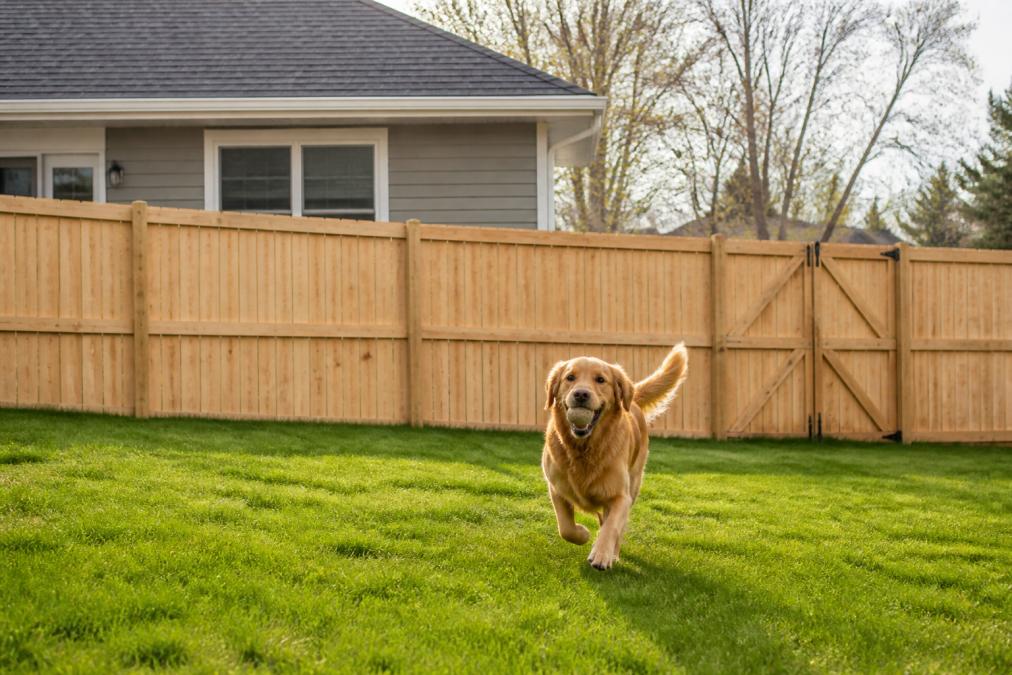
How to Prepare Your Dog for a Vacation Rental Stay
Learn how to prepare your dog for a vacation rental stay. From packing lists to anxiety tips, get your pup rental-ready and protect your deposit.

Table of Contents
- Start With a Vet Visit and Up-to-Date Records
- Vacation Rental Pet Policies Explained Before You Book
- Your Pet-Friendly Vacation Rental Packing List
- Dog Travel Anxiety Tips for the Drive and the First Night
- Set Up a Dog-Safe Space Inside the Rental
- Prevent Damage and Keep the Deposit Intact
- Yard Safety, Leash Laws, and Local Pet-Friendly Spots
- Post-Stay Etiquette and Heading Home
- Frequently Asked Questions
Last Updated: September 10, 2026
Start With a Vet Visit and Up-to-Date Records
A pre-trip veterinary visit is the single most important step in how to prepare your dog for a vacation rental stay, and it should happen two to four weeks before departure (avma.org). That window lets you address health issues, update vaccinations, and gather paperwork a host may request at check-in.
A health certificate is not a vaccination record. The certificate is a dated statement from a licensed veterinarian confirming your dog is free of contagious disease and fit to travel; vaccination records prove immunity history. Some properties and most airlines ask for one or the other, and a few ask for both.
Bring these to the appointment:
- Current rabies and distemper vaccination records
- Your dog's microchip number and registration confirmation
- A list of any medications, with dosing instructions
- Questions about motion sickness or travel anxiety
Do not wait until the week of the trip: some vaccines require a waiting period before they are protective. Ask your vet to email digital copies you can forward to the property before arrival.
Vacation Rental Pet Policies Explained Before You Book
Vacation rental pet policies come down to four variables: whether pets are allowed, size or breed restrictions, fees, and damage clauses. Read the full listing and rental agreement before paying a deposit.
The biggest source of friction is a mismatch between what the listing implies and what the contract states. A photo of a fenced yard does not guarantee it is secure or that pets may use it unsupervised. Confirm in writing.
Pet Deposits, Fees, and Damage Clauses
Pet deposits and fees are different, and hosts sometimes charge both. A pet fee is non-refundable and covers routine cleaning. A pet deposit is refundable, minus documented damage beyond normal wear. A damage clause lets a host charge your card for repairs, replacement, or excessive cleaning after you leave.
Ask three questions before booking:
- Is the fee per stay or per night, and is it per pet?
- What counts as "damage" versus normal wear in the rental agreement?
- Is there a cap on damage charges, or is it open-ended?
Get the answers in the booking message thread so there is a written record. If a host will not put pet terms in writing, look elsewhere.
Your Pet-Friendly Vacation Rental Packing List
Knowing how to prepare your dog for a vacation rental stay starts with a packing list that covers three categories: travel gear for the car, comfort items that reduce anxiety, and cleaning supplies for accidents. Packing for a rental differs from a hotel because you are responsible for the state of the home when you leave.

Build your list around these essentials:
- Collapsible water bowl and a spill-proof travel bowl
- Leash, harness, and a spare leash
- Food in a sealed container, plus a few extra days' worth
- Medications and a basic pet first-aid kit
- Familiar bedding, a favorite toy, and a worn t-shirt that smells like home
- Waste bags, pet-safe cleaning spray, and paper towels
- Crate or pet carrier, if your dog is crate trained
Travel Gear for the Car Ride
For the car ride, the priority is containment and identification. A crash-tested crate or a seatbelt-clip harness keeps your dog from becoming a projectile in a sudden stop or climbing into your lap (avma.org).
ID tags and a microchip are your insurance policy if your dog slips a leash at a rest stop. Make sure the tag has a phone number you will actually answer while traveling.
Dog Travel Anxiety Tips for the Drive and the First Night
Dog travel anxiety tips work best when they start before the car moves. Dogs that pace, drool, whine, or refuse to settle are reacting to motion, confinement, and unfamiliar routine. Address all three and the first night gets easier.
Start with short practice drives a week or two before the trip: ten minutes around the block, then twenty, then a longer highway run. Feed a light meal a few hours before departure, and keep the car cool.
For the first night at the rental:
- Set up your dog's bed and crate in one quiet room before you unpack anything else
- Keep the first hour low-key, no big greetings or new people crowding the dog
- Stick to your normal feeding and walk times as closely as you can
- Leave a familiar-smelling item in the sleeping area
Set Up a Dog-Safe Space Inside the Rental
A dog-safe space is a defined area where your dog can be left alone without risk to the dog or the property. A single room, a crate, or a gated corner works better than free run of an unfamiliar home.
Walk the space before you let your dog off leash indoors. Look for the things a host will notice:
- Cords, chargers, and lamp cables within reach
- Low shelves with breakable decor
- Trash cans without lids
- Open windows without screens
- Food, medication, or cleaning products left at floor level
Use baby gates or a folding exercise pen to block off stairs, kitchens, and rooms with fragile items. If your dog is crate trained, bring the crate, it settles faster in a new environment because it is the one familiar constant.
Prevent Damage and Keep the Deposit Intact
Damage prevention is about controlling the three things hosts actually charge for: chewed or scratched hard surfaces, stained soft surfaces, and odor that survives checkout. "Supervise your dog" is useless the moment you leave for dinner.
Know What Your Deposit Actually Covers
Before you can protect a deposit, know what it is. Three numbers matter:
- Pet fee, non-refundable, covers routine cleaning. You will not get this back no matter how clean you leave the unit.
- Pet deposit, refundable, held against documented damage beyond normal wear. This is the number you are actually protecting.
- Damage clause, the open-ended right to charge your card for repairs, replacement, or excessive cleaning after checkout. This is the number that can exceed your deposit.
A common pattern is a $150-$300 pet fee plus a $200-$500 refundable deposit, with the damage clause uncapped. The real exposure is not the deposit, it is the clause. Ask in the booking thread: "Is the damage clause capped, and what is your process for documenting charges?" A host who will not answer in writing is telling you something.
The Room-by-Room Hazard Sweep
Do this the first hour, before your dog is loose. Walk each room and note what a host would photograph at checkout:
- Living room: lamp and charger cords, low coffee-table decor, leather or microfiber seating (claw snags), area rugs with fringe, floor-level houseplants.
- Bedroom: closet doors left ajar, shoes and slippers, laundry baskets, under-bed dust and dropped medication.
- Kitchen: trash can without a locking lid, lower cabinets with cleaning products, counter edges a counter-surfer can reach, dish towels within grabbing height.
- Bathroom: toilet paper rolls, wastebaskets, bath mats, and any medication on the counter.
- Entry and hall: baseboards (the single most common chew target), door frames, and screen doors.
Photograph anything already damaged, a scuffed baseboard, a frayed rug edge, a scratched floor, the day you arrive and email the photos to yourself or the host. It is the cheapest insurance against a charge you did not cause.
Containment, Not Trust
The dogs that cost their owners money are almost never aggressive, they are bored. A dog left loose in an unfamiliar house for three hours will find the one thing you did not think about: the blind cord, the ottoman corner, the door frame.
Use one of three containment setups, in order of reliability:
- Crate, the gold standard if your dog is crate trained. Bring your own; rental crates are almost never provided and rarely the right size.
- Exercise pen or baby gate, works for a dog who is comfortable being visually separated but not crated. Gate off a single room with hard flooring rather than carpet.
- Closed room with the door shut, the fallback. Strip the room first: remove cords, trash, bedding, and anything at tail height.
Protect the Surfaces Hosts Actually Charge For
A few low-cost moves prevent most claims:
- Bring a washable throw or two. Drape one over any sofa or chair your dog is allowed on. A $20 throw protects a $2,000 sectional.
- Bring your dog's own bed. A dog that has its own bed is far less likely to claim the host's.
- Put a mat under the water bowl. Water rings on hardwood are a real charge. A silicone mat or a folded towel solves it.
- Trim nails before the trip. Long nails scratch hardwood and leather in a way that is impossible to buff out.
- Block the baseboards. A cheap roll of painter's tape along a baseboard in the dog's containment area is ugly but effective against a chewer.
The Sixty-Second Sweep Before You Leave
Every time you walk out the door without your dog, run the same check:
- Water bowl full and on its mat.
- Dog settled in crate, pen, or stripped room.
- Windows closed and blinds pulled up out of reach.
- Trash cans emptied or moved to a closed cabinet.
- Nothing edible, including gum, medication, and chocolate, at floor or counter-edge level.
- White noise or fan on if the dog is noise-sensitive.
This routine separates guests who get their deposit back from those who do not. It takes under a minute and eliminates the two most common claims: chewed trim and a knocked-over trash can.
If Something Does Happen
Report it before checkout, not after. A host who hears about a chewed baseboard from you, with a photo and an offer to cover the repair, almost always charges cost; a host who discovers it during turnover charges cost plus irritation. If damage is significant, your renters or homeowners policy may extend liability coverage to a short-term rental, worth a call to your insurer if you travel with a dog regularly.
Yard Safety, Leash Laws, and Local Pet-Friendly Spots
A fenced yard is a feature, not a guarantee. Check the fence line the day you arrive for gaps at the base, loose gate latches, and sections a determined dog could push through. Even a secure yard does not replace supervision in an unfamiliar place with new smells and wildlife.
Leash laws apply almost everywhere, including in many neighborhoods and on trails where you might assume dogs can run free. Local rules vary by city, county, and land management agency, so check the current ordinance or park regulations for the specific area you are visiting before you let your dog off leash anywhere.
For planning, BringFido's directory of pet-friendly places is a useful starting point for finding patios, parks, and trails that welcome dogs. Cross-check anything you find against the official website for the park or municipality, since listings go stale.
Post-Stay Etiquette and Heading Home
Most pet-travel guides stop at checkout. That is a mistake: the last two hours of your stay determine whether the host keeps accepting dogs and whether you get a five-star review that makes your next booking easier.
The Night-Before Reset
Do not leave all the cleanup for checkout morning. The night before:
- Wash and dry your dog's food and water bowls, or pack them dirty in a sealed bag so they do not drip in the car.
- Bag all dog waste from the yard. Do not leave it for the host's landscaper. Even one missed pile reads as disrespect and shows up in reviews.
- Vacuum or sweep the containment area, then run a lint roller over any upholstery your dog used.
- Consolidate your dog's gear into one bag so nothing gets left behind, leashes, toys, and chews are the most commonly forgotten items, and a forgotten chew under a bed is a smell the host will find later.
The Checkout Walkthrough, In Order
Run this sequence before you hand back the keys or code:
- Yard first. Walk the full fence line and the lawn. Pick up every pile, including the ones near the gate and along the fence where dogs tend to go.
- Floors. Sweep or vacuum hard floors, then vacuum carpet in the dog's area. Dog hair is the number-one item hosts mention in pet-stay reviews.
- Soft surfaces. Strip any bedding your dog used and bag it, even if it looks clean. If the host provided a throw or blanket, fold it and leave it where you found it, do not wash host linens unless the house rules say to.
- Nose-level check. Get on your hands and knees and look at the space from your dog's height. This is where you find the accident behind the sofa, the chew mark on the door frame, the scratch on the hardwood by the front door.
- Surfaces. Wipe down counters, tables, and any surface at nose height with a pet-safe cleaner.
- Trash. Bag and remove all trash, especially food waste and any dog waste bags. Do not leave a full kitchen trash can for turnover.
- Damage report. If you found anything, a scratch, a stain, a chewed corner, photograph it and message the host before you leave, with a one-line description and an offer to cover the repair.
Why the Damage Report Matters More Than the Cleaning
A host who hears about a small issue from you, with a photo and a clear offer, almost always resolves it at cost or waives it. A host who discovers the same issue during turnover charges for the repair plus the inconvenience, and writes a review that follows you to every future booking. The difference is a two-minute message.
If the issue is minor, a scuff, a small stain, say so plainly and let the host decide. Do not over-apologize or under-report; hosts can tell an honest guest from one hoping the damage goes unnoticed.
Leave a Review That Helps the Next Dog Owner
Before you check out, leave a review answering the questions you wished you had known:
- Was the yard actually secure, or just fenced?
- Were there any hazards you had to move, cords, plants, low shelves?
- Did the host's pet policy match the listing?
- Was there a good walking route or off-leash area nearby?
This improves the pet-friendly rental ecosystem and signals to the host that you took the stay seriously, which matters if you want to book the property again.
The Drive Home
Two things most guests skip on the way back:
- Rest-stop routine. Same as the outbound trip: leash on before the door opens, waste bags in your pocket, and a short walk rather than a long one. A tired dog at a rest stop is a dog that slips a collar.
- Post-trip vet check if anything changed. If your dog picked up a limp, a cough, or a skin issue on the trip, call your vet within a few days. Ticks and foxtails from unfamiliar terrain are the two most common post-vacation issues, and both are far easier to treat early.
Frequently Asked Questions
What is the 7-7-7 rule for dogs in a new place?
The 7-7-7 rule suggests a dog needs about 7 days to decompress, 7 weeks to settle into a routine, and 7 months to feel fully at home in a new environment. For a vacation rental stay, this means your dog may act nervous or clingy for the first day or two. Bring familiar bedding, keep feeding times consistent, and give your dog a quiet corner to retreat to. Most dogs adjust within 24 to 48 hours when their routine stays predictable.
How can I keep my dog calm in a new vacation rental?
Set up a crate or bed with familiar blankets and a worn t-shirt that smells like you. Feed your dog at the same times as at home and keep walks on a steady schedule. Use positive reinforcement with treats when your dog settles quietly. If your dog shows travel anxiety, try a calming chew or consult your vet about options before the trip. Avoid leaving your dog alone in the rental for the first few hours so it can adjust to the new space.
What essential items should I pack for my dog's vacation?
Bring vaccination records and a health certificate if required, a leash, identification tags, a microchip number on file, a collapsible water bowl, food for the full stay plus extra, medications, a travel crate or carrier, familiar bedding, waste bags, and a few favorite toys. Pack a towel for muddy paws and a pet-safe cleaner for accidents. If your rental has a fenced yard, a long leash helps with supervised outdoor time. A complete pet-friendly vacation rental packing list prevents last-minute store runs.
Are there specific rules for bringing dogs to vacation rentals?
Most vacation rental pet policies explain weight limits, breed restrictions, number of pets allowed, and whether pets can be left unattended. Many require a pet deposit or nonrefundable fee and ask that you keep dogs off furniture and clean up waste immediately. Some rentals require crating when you leave. Read the rental agreement before booking, confirm the pet policy in writing, and follow house rules on noise, yard use, and waste disposal to protect your deposit and keep the property pet-friendly for future guests.