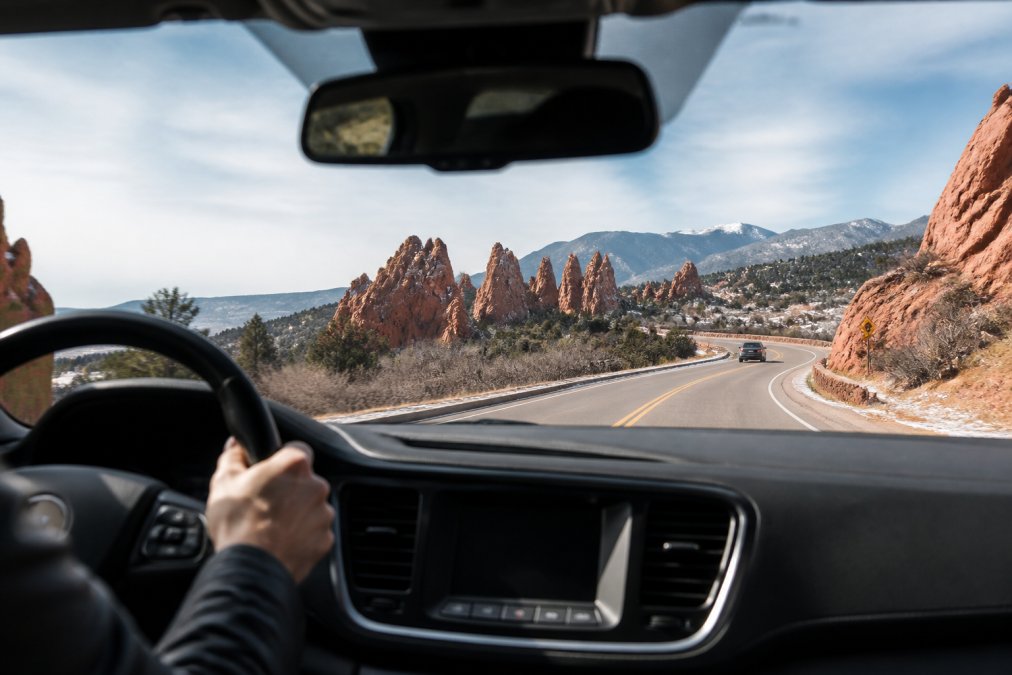
Driving Time to Garden of the Gods: A Complete Visitor Guide
Driving time to Garden of the Gods: Discover real driving times to Garden of the Gods from major cities, parking tips, and how to plan your visit. Learn.

Table of Contents
- Driving Time to Garden of the Gods from Major Cities
- How Long to Spend at Garden of the Gods
- Best Time of Day to Visit Garden of the Gods
- Garden of the Gods Parking Availability and Logistics
- Planning Your Scenic Loop Drive and Itinerary
- Traffic Congestion and Road Conditions to Know
- Accessibility, Shuttle Services, and Vehicle Restrictions
- Making Garden of the Gods Your Day Trip Base
Last Updated: August 21, 2026
Driving Time to Garden of the Gods from Major Cities
From Denver, expect 90 minutes to two hours heading south on I-25. From Kansas City, plan for eight to nine hours. Albuquerque is roughly four and a half hours north, Phoenix about six hours, and Salt Lake City around eight hours.
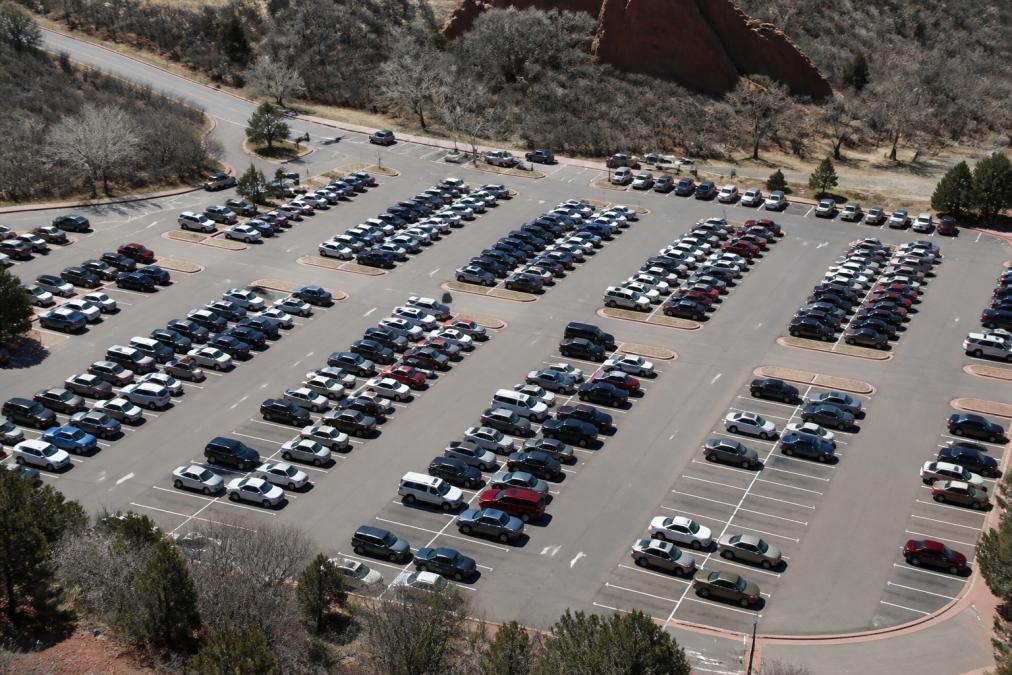
These estimates assume moderate traffic and direct highway routes. Real-world times fluctuate based on traffic patterns and road conditions. During peak travel seasons, Denver traffic alone can add 20-30 minutes.
The most common approach is flying into Denver International Airport and driving south. Many travelers book accommodations near the park entrance to minimize additional driving. When planning your trip, factor in rest stops and fuel breaks. Longer journeys benefit from splitting the drive across two days, where a comfortable vacation rental allows you to rest overnight and arrive refreshed.
How Long to Spend at Garden of the Gods
Plan to allot at least three to four hours for a meaningful visit. This timeframe allows you to drive the scenic loop, stop at key overlooks, and take a few short walks. For families with young children or those interested in hiking, budget five to six hours. The park spans 1,300 acres, and hiking trails range from easy 30-minute walks to more challenging routes requiring several hours (nps.gov).
For a full-day experience, seven to eight hours allows you to combine the scenic drive, multiple hiking trails, and a relaxed lunch break. The visitor center deserves 30-45 minutes of your time, where staff can provide current trail information and answer questions about the park's geology and history.
Consider splitting your visit across two days if staying locally. This removes pressure to see everything at once and lets you experience the park during different times of day, as morning light reveals different colors and shadows than afternoon or sunset views.
Best Time of Day to Visit Garden of the Gods
Early morning, between 7 and 9 AM, offers the best experience. You'll encounter fewer crowds, find ample parking, and enjoy soft, golden light that makes the red rock formations appear more dramatic. The temperature is cooler, making hiking more comfortable.
Mid-morning through early afternoon brings increasing crowds. By 10 AM, parking lots start filling and popular trails become noticeably busier. Late afternoon, after 3 PM, offers a second-best window as day-trippers leave and light angles change for different photographic opportunities.
Avoid midday visits between 11 AM and 2 PM if possible. The sun is harsh, parking is most congested, and temperatures peak. Afternoon thunderstorms are common in summer, so completing your visit by early afternoon during July and August reduces the risk of sudden weather (noaa.gov).
If staying at a vacation rental nearby, you have flexibility to visit multiple times during your stay, experiencing the park under different lighting and crowd conditions.
Garden of the Gods Parking Availability and Logistics
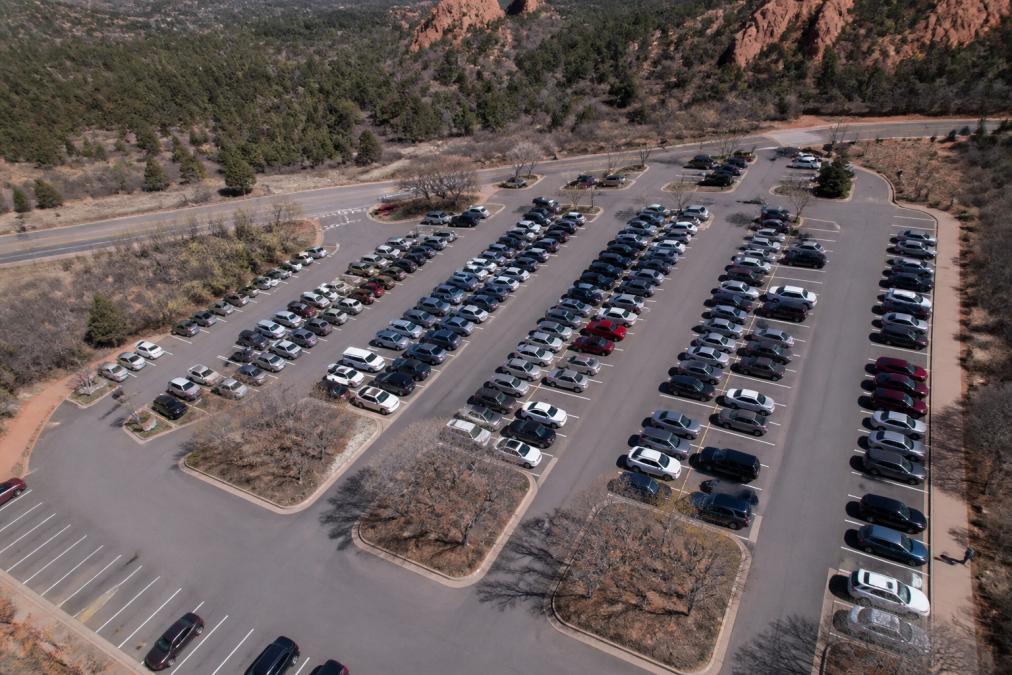
The park offers three main parking areas: the visitor center lot with around 300 spaces, the Balanced Rock lot with roughly 150 spaces, and the Kissing Camels lot. Parking is free, but during peak season and weekends, the visitor center lot reaches capacity by 10 AM.
The most reliable strategy is arriving early, before 8:30 AM, to secure a spot near the visitor center. Summer weekends, particularly Saturday and Sunday mornings, see the highest demand. If parking areas show "Full" signs, the Kissing Camels lot may still have availability.
Vehicle restrictions apply to oversized vehicles. RVs and vehicles exceeding certain dimensions are restricted on the scenic loop drive. Passenger cars, SUVs, and standard trucks navigate without issues. Accessibility parking spaces are available near the visitor center and major trailheads.
Planning Your Scenic Loop Drive and Itinerary
The scenic loop covers approximately five miles and takes 20-30 minutes if driven straight through (nps.gov). However, plan for two to three hours to experience it meaningfully with stops. Start at the visitor center and head north on the loop, which winds through the park's most dramatic red rock formations with numerous pullouts for photographs and short walks.
Key stops include the Visitor Center Overlook for panoramic views, Balanced Rock as one of the park's most photographed formations, and the Garden Trail trailhead for the park's most popular hiking route. If you have limited time, prioritize the visitor center and Balanced Rock overlook. If you have five or more hours, add the Garden Trail hike and explore the western side.
For groups staying at a vacation rental, splitting your itinerary across two visits works well. Visit the scenic loop and visitor center on day one, then dedicate day two to hiking specific trails. Check the forecast before visiting, as afternoon thunderstorms are common in summer.
Traffic Congestion and Road Conditions to Know
The scenic loop experiences peak congestion between 10 AM and 3 PM, particularly on weekends and holidays. Early morning visits virtually eliminate this congestion. Road conditions are well-maintained year-round, though winter snow and ice can temporarily close the scenic loop.
The scenic loop follows a one-way pattern in certain sections, so you can't backtrack if you miss a stop. Pay attention to directional signs and plan your stops accordingly. If driving from downtown Colorado Springs, plan for 15-25 minutes of travel time depending on traffic conditions.
Large RVs navigate the scenic loop slowly, and oversized vehicles may feel uncomfortable on narrower sections. Confirm size restrictions before attempting the loop.
Accessibility, Shuttle Services, and Vehicle Restrictions
The park is accessible to visitors with mobility challenges. The visitor center is fully accessible with accessible parking, restrooms, and exhibits. The scenic loop is accessible by vehicle, and several overlooks have accessible parking and short, paved paths.
Shuttle services are not currently operated by the park, so personal vehicles remain the primary transportation method. Vehicle restrictions prohibit RVs and vehicles exceeding certain dimensions from the scenic loop. Standard passenger vehicles face no restrictions.
Hiking trails vary in accessibility. Some trails are paved and relatively flat, while others involve uneven terrain and elevation changes. Restroom facilities are available at the visitor center and select trailheads.
Making Garden of the Gods Your Day Trip Base
Garden of the Gods works perfectly as a day trip destination, but staying overnight nearby enhances the experience significantly. A vacation rental in Colorado Springs puts you within 15-25 minutes of the park entrance, allowing flexible visiting patterns without single-day time constraints.
Homestay Getaway offers family-friendly vacation rentals in Colorado Springs designed specifically for visitors exploring local attractions like Garden of the Gods. Our spacious homes feature modern amenities, private yards, and game rooms, perfect for groups wanting to relax between park visits. By booking directly with Homestay Getaway, you save 10-15% compared to third-party platforms while enjoying self check-in and pet-friendly accommodations.
A multi-day stay lets you visit the park during different times of day, experiencing how lighting and crowds change throughout your visit. Families with young children benefit significantly from staying nearby, as children can rest at your vacation rental between park visits. Pet owners appreciate that our properties are pet-friendly, so your dog can relax in a secure fenced yard rather than remaining in a vehicle.
Groups of friends or multi-generational families find that vacation rentals provide more comfort and value than hotel rooms. Colorado Springs offers additional attractions beyond Garden of the Gods, including Pikes Peak, the Cheyenne Mountain Zoo, and historic downtown areas. Staying at a vacation rental provides a comfortable home base for exploring these attractions while minimizing commuting stress.
Planning a visit to Garden of the Gods requires balancing driving time, parking logistics, and how long you'll actually spend exploring. Most visitors underestimate both the travel time required and the hours needed for a satisfying experience. By staying at a vacation rental like those offered by Homestay Getaway, you eliminate commuting stress and gain the flexibility to visit the park multiple times during your stay, exploring different trails, experiencing various times of day, and fully absorbing one of the region's most remarkable natural attractions.
Frequently Asked Questions
How much time do you need at Garden of the Gods?
Most visitors spend 2-4 hours at Garden of the Gods, depending on your interests. A scenic loop drive alone takes 30-45 minutes, but adding short walks at overlooks and trailhead access points extends your visit to 2-3 hours. If you plan to hike multiple trails or explore the visitor center, budget 4-6 hours. Families with young children often spend half a day there as a comfortable day trip without feeling rushed.
What is the best time of day to visit Garden of the Gods?
Early morning, between 7-9 AM, offers the best experience. You'll encounter fewer crowds, better lighting for photography, and easier parking availability. Peak season weekends see rush hour congestion between 10 AM and 3 PM. Late afternoon, after 4 PM, is also less crowded but offers limited daylight for hiking. Off-peak seasons (fall and winter) provide more flexibility, though weather conditions may vary.
Are there parking fees at Garden of the Gods?
No, Garden of the Gods offers free parking. However, parking capacity is limited, especially during peak season and weekends. The park has multiple parking lots near the visitor center and scenic overlooks. During high-traffic periods, lots fill quickly, so arriving early or visiting during off-peak hours helps secure a spot. Some trailhead access points also have dedicated parking areas.
Can you drive through the entire park without hiking?
Yes. The scenic loop drive winds through the park and allows you to experience major geological formations and scenic overlooks from your vehicle. The round trip takes 30-45 minutes at a leisurely pace with stops at point-of-view areas. However, getting out for short walks at overlooks and trailhead access points enhances the experience significantly and only adds 1-2 hours to your visit.
This article was written using GrandRanker